


10 Worst States to Live in for 2026: Beautiful to Visit, But Living There Is Another Story

Updated: Jul 15
America is filled with incredible places to explore, and every state has something worth experiencing. Some offer breathtaking coastlines, world-famous cities, stunning mountains, or fascinating history. But visiting a place for a week and living there year-round are two very different experiences.
For our 2026 list of the 10 Worst States to Live In, we considered factors that affect everyday life, including housing costs, traffic congestion, fuel prices, urban planning, and overall quality of life. While millions of people happily call these states home, we believe they present some of the biggest challenges for the average resident. Life can be easier in these places.
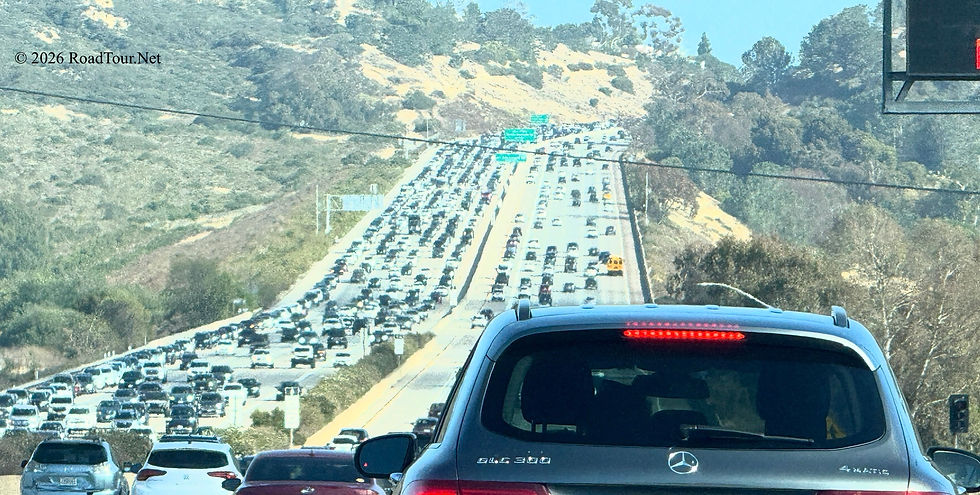
1. California
California may have some of America's most beautiful scenery, but living there comes with a hefty price tag.
Housing costs remain among the highest in the nation, gasoline prices consistently lead the country, and daily traffic in major metro areas like Los Angeles, San Francisco, and San Diego can be exhausting beyond measure. Add the ongoing homelessness crisis in many cities, and California becomes an increasingly difficult place for many families to afford. Several of California's largest cities continue to face challenges with crime, including property crime, retail theft, and violent crime in some neighborhoods. While many communities remain safe and attractive places to live, public safety concerns continue to affect residents' quality of life and the state's overall image.
California's recurring wildfire crisis also contributes to its ranking. We believe stronger land and forest management, including reducing excess vegetation and improving wildfire mitigation efforts, should be a higher priority to help lessen the impact of future fires, alongside addressing other factors that influence wildfire risk.
Our recent road tour through Downtown Los Angeles was disappointing. Compared with our visit in the late 1990s, the area felt noticeably dirtier and less welcoming. Although the city remains one of America's great destinations, our firsthand impression was that Downtown Los Angeles has lost some of the cleanliness and vibrancy we remembered. We hope to see renewed efforts to improve the area's appearance and overall visitor experience.
Main concerns:
Extremely high cost of living
Homelessness in many urban areas
Heavy traffic congestion
Highest gas prices in the nation
Expensive housing market
Urban crime
State Government mismanagement
2. New York
New York offers world-class entertainment, culture, and business opportunities—but it also demands a lot from your wallet.
Beyond the exceptionally high cost of living, drivers face an endless collection of toll roads, bridges, and tunnels that quickly add up. While New Yorkers are often simply direct and fast-paced, newcomers frequently describe the atmosphere as less friendly than other parts of the country. Crime remains an ongoing concern in parts of New York City. Although many neighborhoods are safe and attract millions of visitors annually, persistent issues involving theft, assaults, and other offenses continue to influence residents' quality of life and the city's reputation.
Main concerns:
High cost of living
Expensive toll roads and bridges
Fast-paced culture that many perceive as unfriendly
Urban crime
State Government mismanagement
3. Illinois
Illinois makes the list largely because of the Chicago metropolitan area.
Anyone who regularly drives around Chicago knows the combination of traffic congestion and toll roads can make commuting frustrating. Combined with a relatively high cost of living compared to much of the Midwest, Illinois loses some of the affordability that once defined the region. Chicago continues to struggle with violent crime in certain neighborhoods, making public safety an ongoing concern for residents and visitors alike. While many parts of the city remain vibrant and safe, crime continues to affect Chicago's reputation and quality of life.
Main concerns:
Chicagoland traffic
Numerous toll roads
Rising cost of living
Chicago crime
City government mismanagement
4. Massachusetts
Massachusetts consistently ranks as one of America's most expensive places to live.
Whether it's housing, rent, or everyday expenses, residents often pay significantly more than the national average. While the state excels in education and healthcare, affordability remains a major challenge.
Main concerns:
Very high cost of living
Expensive housing market
5. New Jersey
New Jersey packs a tremendous number of people into a relatively small state.
That density translates into constant traffic, particularly around New York City and along major highways. Combined with expensive housing and an increasingly urban landscape, many residents find it difficult to escape congestion. Visitors also frequently describe the culture as more abrupt than in many other regions.
Main concerns:
Heavy traffic
High cost of living
Highly urbanized
Reputation for less-friendly interactions
6. Connecticut
Connecticut remains one of America's most expensive states.
Housing costs, taxes, and everyday expenses are all above average. Meanwhile, Interstate 95 has earned a reputation as one of the most congested highway corridors in the Northeast, making commuting particularly stressful.
Main concerns:
One of the nation's highest costs of living
Heavy I-95 traffic congestion
7. Maryland
Maryland offers proximity to Washington, D.C., but that convenience comes at a price.
The cost of living is well above the national average, and traffic around Baltimore, Washington, and surrounding suburbs can become a daily headache for commuters.
Baltimore's persistent crime problem is unacceptable. While the city has many historic neighborhoods, attractions, and dedicated residents, ongoing violent crime continues to undermine quality of life, discourage investment, and damage Baltimore's national reputation. Addressing public safety should remain one of the city's highest priorities.
Main concerns:
High cost of living
Severe traffic around major metropolitan areas
Urban crime

8. Washington
Washington's natural beauty is undeniable, but affordability has become an increasing concern.
Housing prices have climbed dramatically in many areas, while drivers also contend with some of the nation's highest gasoline prices.
The Seattle metropolitan area continues to struggle with chronic traffic congestion, and many residents believe freeway expansion has not kept pace with the region's rapid growth. Critics argue that transportation policy has focused too heavily on expanding public transit while neglecting the highway system. In our view, the region should be prioritizing the widening of existing freeways and the construction of new ones—including the long-discussed I-605 bypass. Those investments are needed now, not years from now, if the goal is to keep people and commerce moving efficiently. We also believe proposals for mileage-based road charges are an absurd approach to solving transportation problems. Rather than asking drivers to pay more to use overcrowded roads, policymakers should focus on expanding highway capacity and reducing congestion.
Seattle has also faced ongoing public safety concerns. The city's national reputation was significantly affected in 2020 when protesters established the Capitol Hill Organized Protest (CHOP), temporarily blocking streets and limiting access to part of the neighborhood. While that situation was temporary, many residents viewed it as a symbol of broader concerns about crime, public order, and city leadership. In our view, Seattle should place a stronger emphasis on public safety while continuing to address the region's growing traffic and affordability challenges.
Main concerns:
Increasing cost of living
High gas prices
Seattle-area traffic - lack of widening freeways and building new ones
Urban crime
State Government mismanagement
9. Oregon
Oregon's inclusion can largely be summarized in one word:
Portland.
The old saying "Keep Portland Weird"... well, it may be too weird now.
The city's ongoing struggles with homelessness, crime concerns, and urban challenges have significantly impacted perceptions of the state. While Oregon remains one of America's most scenic destinations, Portland's issues continue to overshadow much of what the state has to offer.
Portland's experiment with allowing widespread public drug use was mismanagement on an epic scale. The policy proved so problematic that state leaders ultimately reversed course. Combined with a lack of consistent law enforcement, it left parts of the city struggling with open drug use, crime, and deteriorating public spaces. Portland is a great city with tremendous potential, but restoring public safety and maintaining law and order should be top priorities.
Main concerns:
Challenges associated with Portland. Enough said.
Urban quality-of-life concerns
State/City Government mismanagement
10. Minnesota
Minnesota remains a beautiful state with thousands of lakes and outstanding outdoor recreation.
However, concerns surrounding Minneapolis and a steadily increasing cost of living have pushed the state onto our list for 2026. While much of greater Minnesota remains affordable and welcoming, the Twin Cities area presents many of the same urban challenges seen elsewhere across the country.
The Minneapolis area has seen far too much civil unrest in recent years. While peaceful protest is a fundamental right, repeated episodes of violence, vandalism, and property destruction have hurt businesses, shaken public confidence, and affected the region's quality of life. Protests have even caused businesses to close because they cannot operate during those events. That's terrible. We believe stronger efforts are needed to promote public safety, restore confidence, and support long-term stability.
Main concerns:
Minneapolis-related urban issues
Rising cost of living
Urban crime
State Government mismanagement


